
Buying a Second Home in the Hudson Valley: What to Know Before You Begin
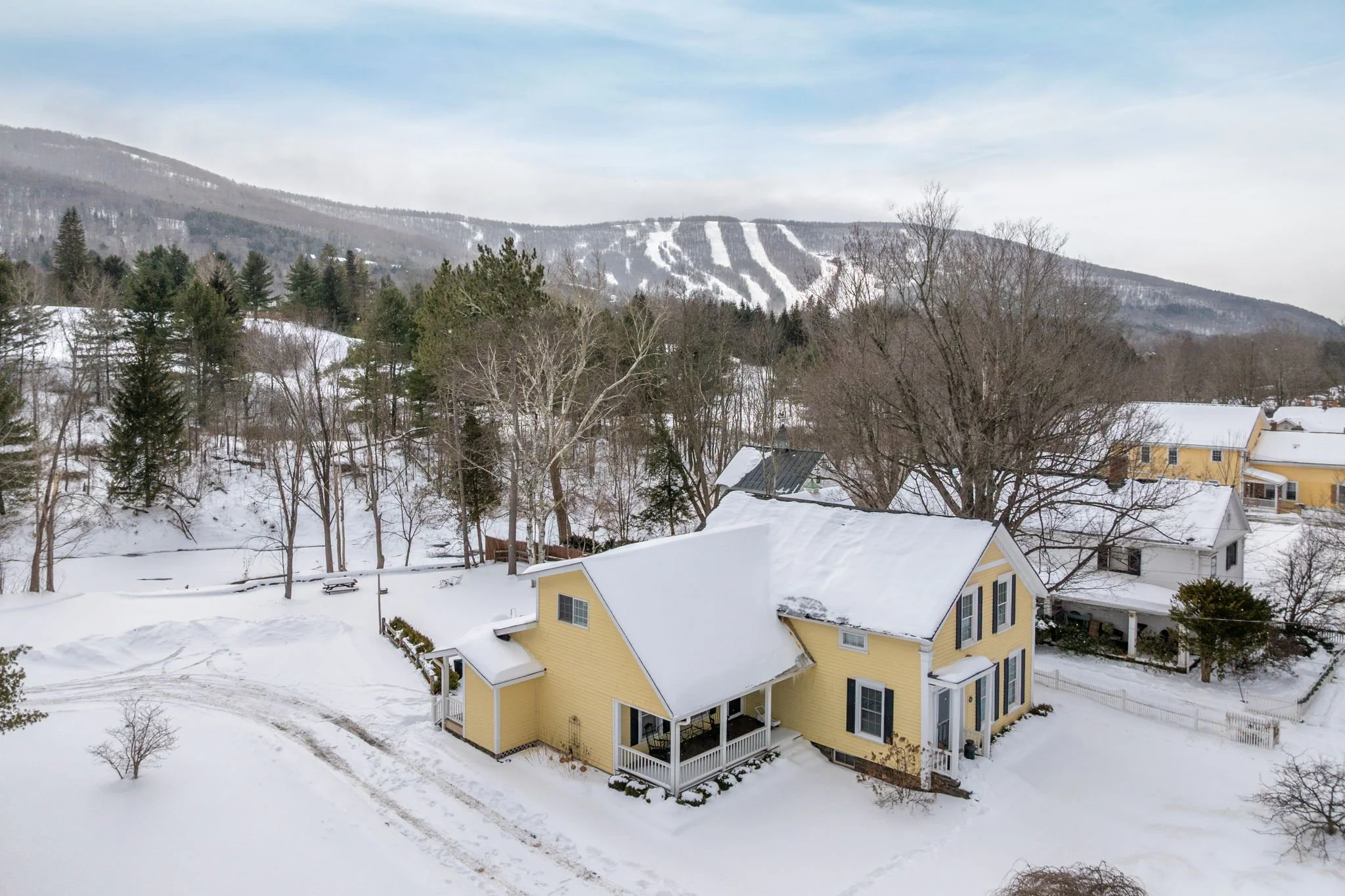
For many, the notion of a second home in the Hudson Valley starts with a feeling…
A quieter morning. More space. A change of pace that’s hard to come by in the city.
Even if those instincts tend to be accurate, the second-home-searching process usually demands a little more clarity than many assume.
Not just where to buy but, in the case of a home, how it will actually fit into your life over time.
Start with how you’ll use it
It helps to take a step back and think about the purpose of the home before scrolling through listings.
Will you come up every weekend, or less frequently?
Are you looking for something turnkey, or willing to be part of an ongoing project?
Do you want privacy, or community?
The responses inform virtually everything that will come next — from location to budget to the kind of property that will ultimately feel right.
You can create a beautiful house and it still may not work. The best ones do both.
Location is about rhythm, not only distance
In the Hudson Valley and Catskills, towns 20 minutes apart sometimes feel completely different. Some are more social, with restaurants and shops and a weekend energy that feels constant. The others are quieter, more remote and better for being more intentionally slow.
The driving time from the city matters, but so does how you get there. The difference between two hours of driving that feels straightforward and two hours that doesn't, which is basically zero traffic navigation? Much less about the proximity, more about whether the rhythm of the place agrees with your own.
Think beyond the house itself
Second homes have a different set of considerations than primary residences.
Things like:
Property caretaking (especially in the more backwoods areas)
Recent changes may be seasonal based on access and usability
Septic, well_water_or older systems
Winter snow removal and road conditions
None of this is a dealbreaker, but it affects ownership in very real ways.
Getting to know them early on tends to smooth the way (and make it more fun) later.
Be honest about renovation tolerance
Many Hudson Valley homes have a historic quality, and that’s part of the appeal.
But that frequently has trade-offs.
If older homes feature in your fantasizing, it’s a good idea to be clear with yourself about the scope of work you’re actually comfortable taking on. Renovations generally last longer and cost more than planned, especially when you’re overseeing them from afar.
For some, the process is part of the experience.
For some others, it causes friction.
There is no right answer: only what fits your capacity and your timeline.
Consider the long view
A second home is rarely a short-term decision.
Over time, it may become:
A more frequent retreat
A primary residence
SPACE FOR GATHERING WITH FRIENDS AND FAMILY
Or even a longer-term investment strategy
The best purchases are often the ones that allow for that evolution.
Partner with someone who knows the specifics
Shopping in the Hudson Valley is not just about finding a property. It’s about understanding the lay of the land, and getting to know each town. It’s also about knowing small details that might not be apparent at first. When you have the proper direction, it keeps you focused on what’s relevant and not make choices that may be good for now but not sustain over time. A more muted approach tends to result in better decisions.
When it comes to second homes, especially when inventory is scarce, there’s often a real sense of urgency.
The best buy, however, often comes at a slower speed.
Seeing enough to know what works. Asking the right questions. Taking a pause on the decision before proceeding.